
 English
 Russian
 Estonian


Floou Elixirs
PLANT FORMULATIONS
Research-led botanical formulations for cognition, emotional regulation, and human performance.


Introducing our botanical formulations
Floou Elixirs
Floou develops botanical formulations at the intersection of traditional plant knowledge, contemporary wellness, and emerging cognitive research.


Where traditional plant knowledge meets modern formulation.

Created for people exploring clarity, resilience, and intentional states of performance.
Testimonials


 Real Buyer
I have been using the Floou Love elixir for about a month now and just love it. It provides wonderful support, especially during those moments when I’m feeling a bit down. As someone who loves to dance, taking it before hitting the dance floor is a game-changer - it elevates my energy and focus, making the experience even more enjoyable.
The elixir also enhances my meditation practice, helping me feel centered and connected. It’s like it gently returns me to myself. One of the best parts is that there are no side effects - just a beautiful, natural boost that leaves me feeling balanced and vibrant.
I highly recommend it to anyone seeking a little extra support in their daily life!
 Real Buyer

 Real Buyer
I highly recommend Floou Elixirs oil to those who have lost touch with their creative spark. Winter brought gloom and despondency, and I found myself withdrawing from my hobbies, losing all sense of purpose in them, spending my days on the couch. It was an extremely unpleasant and unfamiliar state, so I began searching for ways to help myself. One of the options turned out to be this oil. It wasn't a sudden euphoria; it was a gradual unlocking of tightly sealed doors filled with emotions, stresses, and all the resulting consequences. I discovered the perfect combination of tryptophan and oil, which brought about a sense of inner peace and relaxation, love for the world. I started pursuing what I had long dreamed of—learning to draw on a tablet—and a flood of creative ideas, both old and new, emerged. My soul began to sing again. Thank you 
 Real Buyer
Excellent elixirs, especially if you have already developed yourself and your sensitivity. I use them both during meditation to enhance my practice and during hypnosis sessions (I take them myself and also offer them to my patients). With their help, we can delve deeper into the subconscious and accomplish whatever needs to be done there more easily.
Food suppliment
Floou Elixirs
Contributes to your:


Main Ingredients
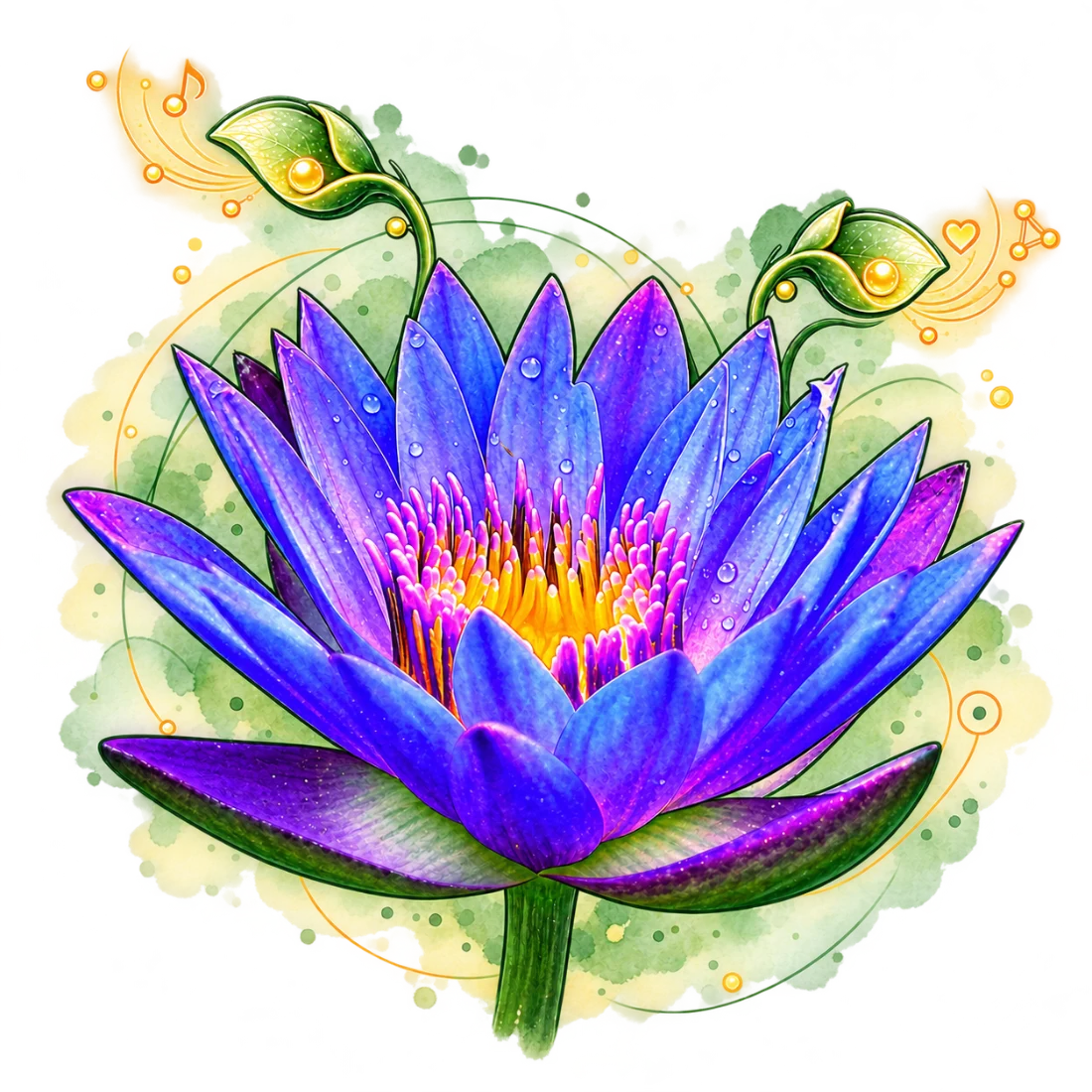
Blue Lotus
In the oldest Egyptian cosmogony, the world began when the Sun God Ra (Atum) emerged from a blue water lily growing in a dark pool of nothingness symbolizing chaos (Nun). This blue water lily is a plant that was sacred to Egyptian culture since the earliest dynasties thousands of years ago. Overtime the flower of the blue water lily (Nymphaea caerulea) evolved into a symbol of the cycle of life and death and was featured prominently in tomb motifs of the pharaohs and members of the highest caste, being one of the primary offerings the high ranking dead were decorated with for their journey into the afterlife. Blue lotus flower was used extensively in the religious and healing ceremonies of the high priests of Egypt, and Nymphaea caerulea was a herb revered because of its unique plant pharmacology which bestow upon it transcendental mind-altering properties.

Opens your mind
Raises consciousness
Antioxidant
Antidepressant
Helps sleeping problems
Promotes neurogenesis
Stimulates dopamine and serotonin production
Relaxation
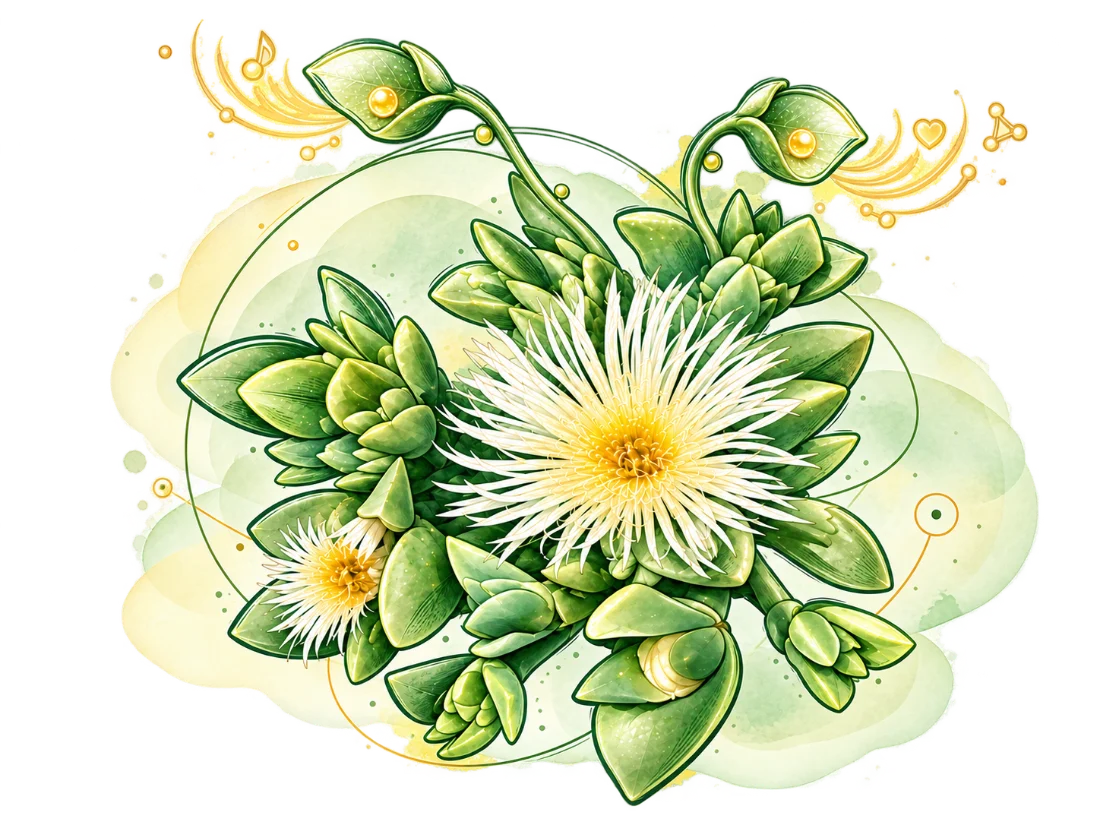
Kanna (Sceletium Tortuosum)
Sceletium has incredible human benefits that are just beginning to be realized, including being the most effective model anxiolytic (anti-anxiety) agent known to man. It also acts as a highly effective and benign natural anti-depressant (having both serotonin releasing and re-uptake inhibiting effects), is of singular efficacy in assisting with the treatment and healing of addiction, and is an excellent adjunct to clinical therapy and bodywork.
Opens your heart
Enhances mood
Balances emotions
Antidepressant
Anti-Anxiety
Helps sleeping problems
Helps to raise serotonin
Reduses stress
Flow state and concentration
Reduces apetite
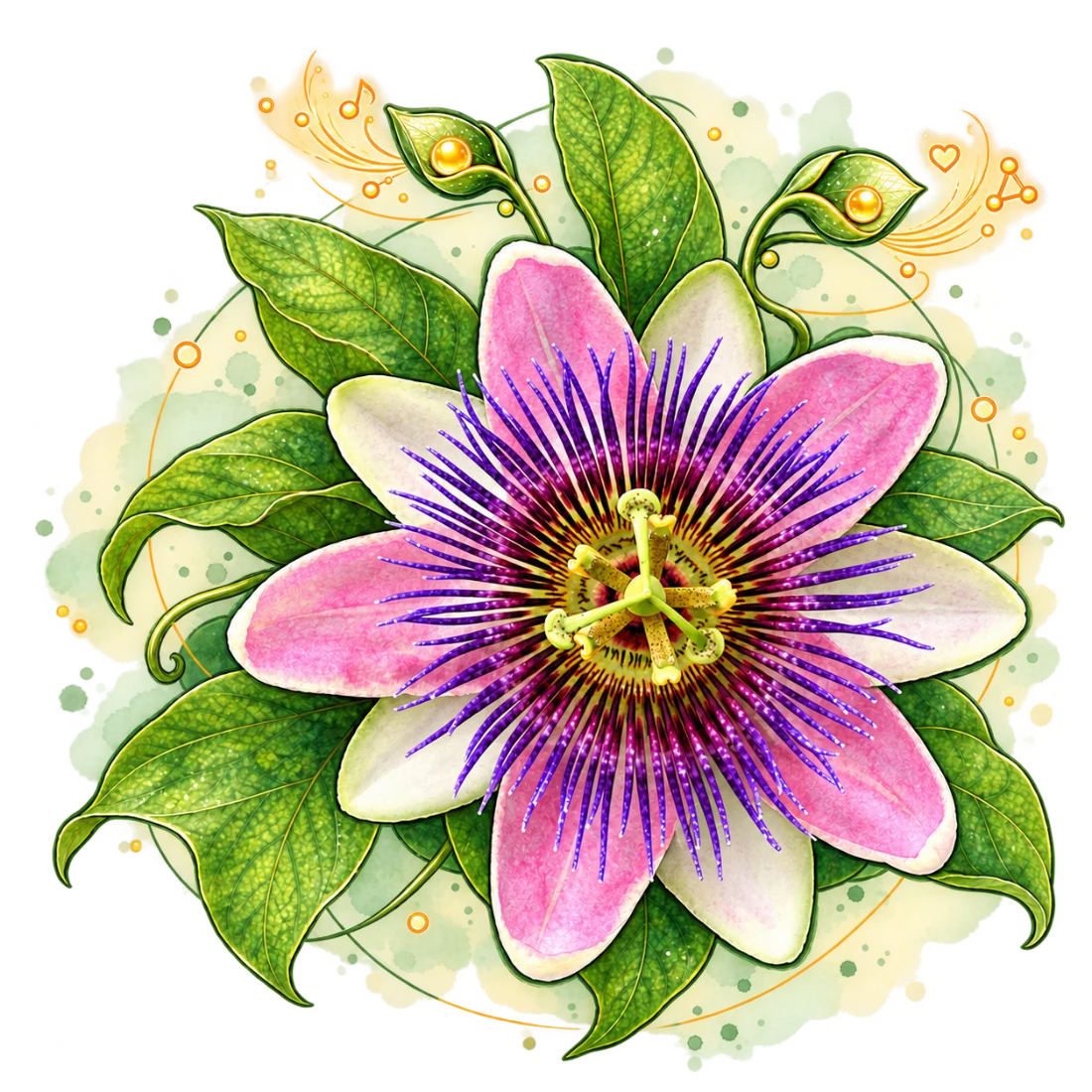
Passion Flower
The history of Passiflora or ‘Passion flower’ (Flos passionis) is fascinating and unique. It acquired its name from descriptions of its flower parts supplied in the Seventeenth Century by Spanish priests in South America, known at that time as the ‘New Spain’. It was known by the Spanish as “La Flor de las cinco Llagas” or the ‘The Flower With The Five Wounds.’ ‘Passionis’ refers to (Christ’s) suffering. The parts were interpreted from drawings and dried plants by Giacomo Bosio, a churchman and historian, in Rome (1609), as representing various elements of the Crucifixion.
This stunningly beautiful flower is native to the Americas where it has been used for centuries to heal bruises and cuts. Modern day herbalists recommend it as a powerful nervine tonic to treat stress, anxiety and to help the mind prepare for a restful night’s sleep.
It has also been used traditionally to provide relief to women who are experiencing menopause symptoms such as hot flashes, and is especially adept at dealing with insomnia related to this change in a woman’s life.
Antioxidant
Antidepressant
Helps sleeping problems
Lowers Blood Pressure
Anti-inflammatory
Increases GABA (gamma amino-butyric acid) in the brain
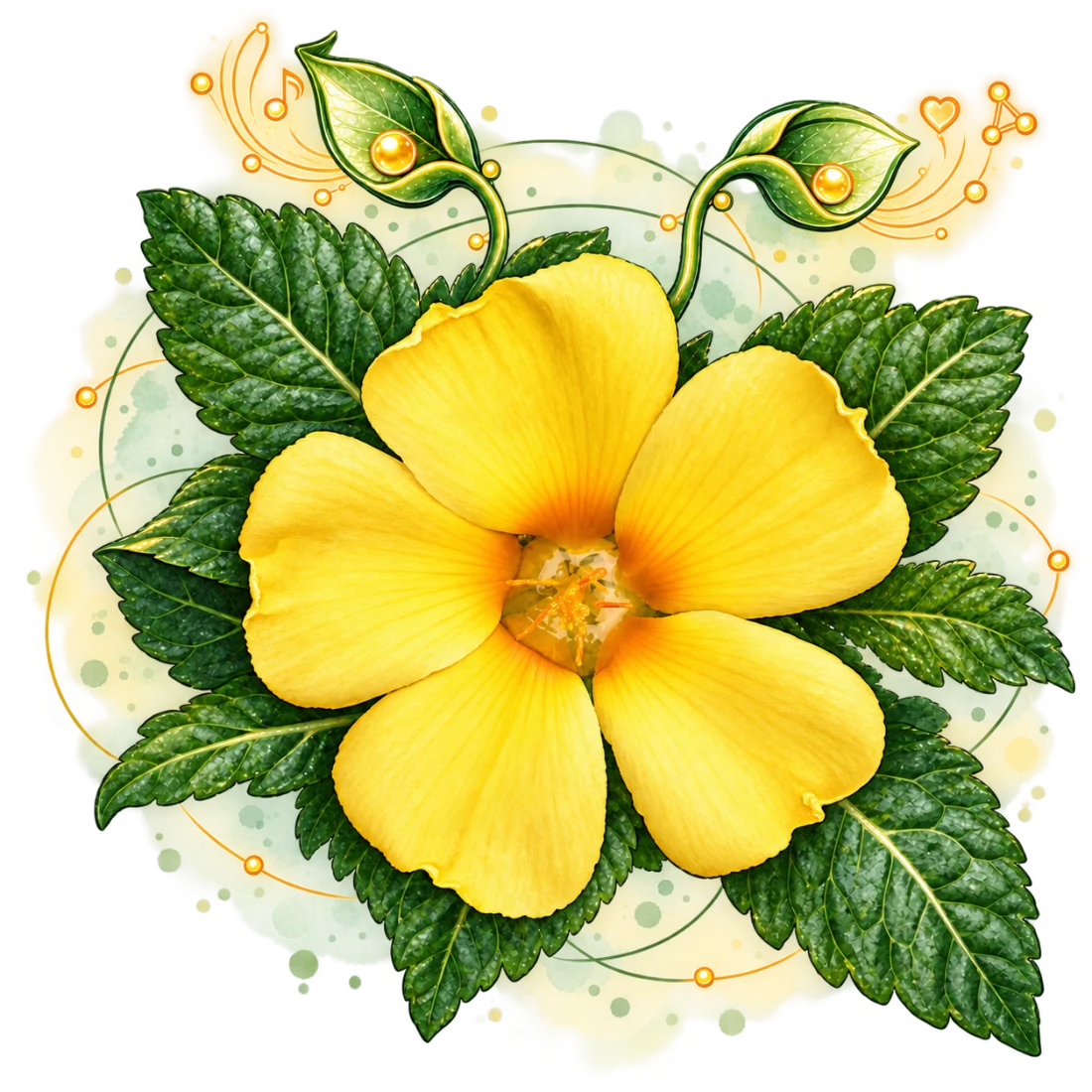
Damiana
This shrub native to Southwest Texas in the U.S. and Central America, South America, and Mexico has a long history of use as an aphrodisiac. The leaves have traditionally been made into a tea and incense, which was used by native people of Central and South America for its relaxing effects. Spanish missionaries first recorded that the Mexican Indians drank Damiana tea mixed with sugar for use as an aphrodisiac. It is also an ingredient in a traditional Mexican Liqueur, which is sometimes used as a substitute for Triple Sec in Margaritas.
Opens your heart
Enhances mood
Balances emotions
Mild antidepressant
Reduses stress
Increases energy
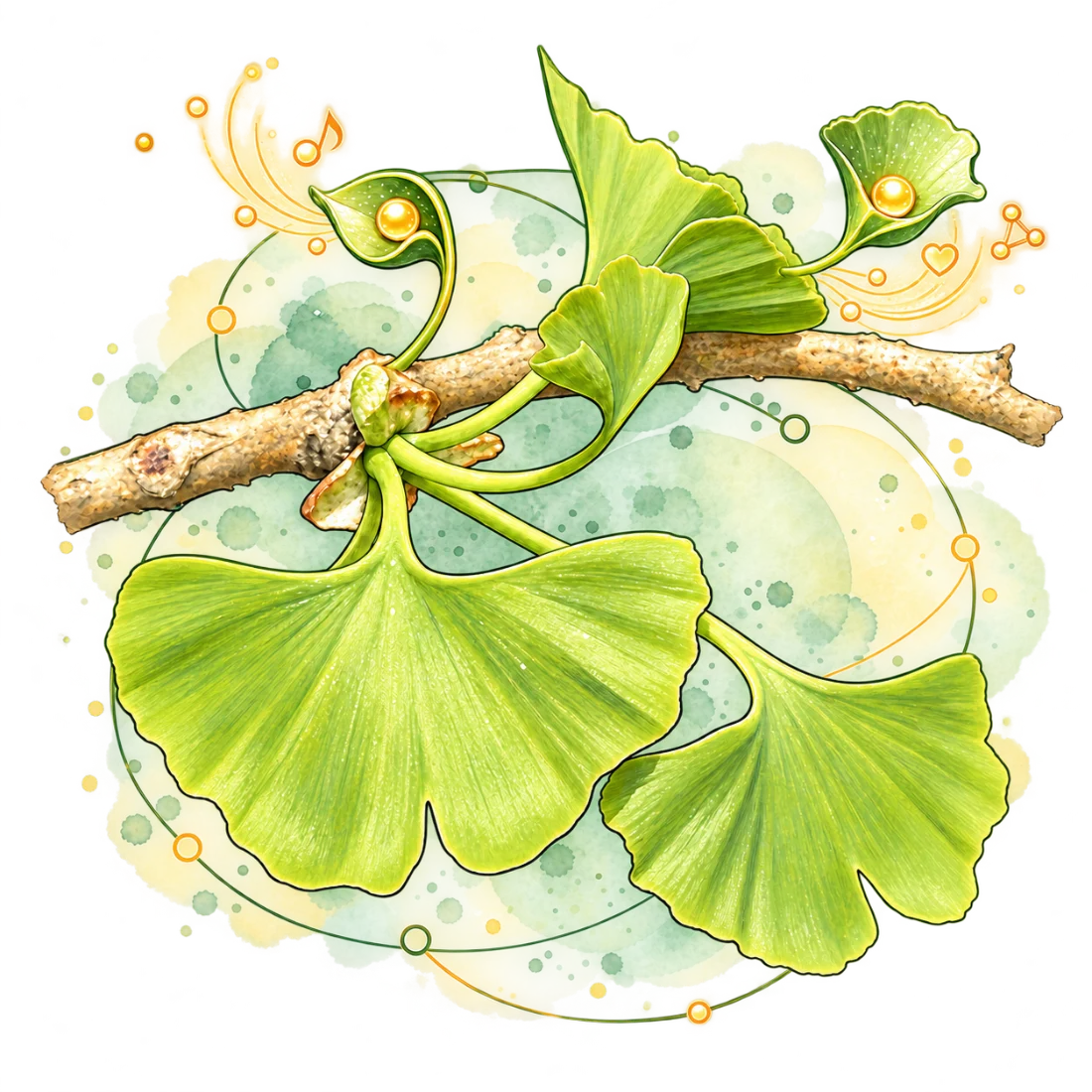
Ginkgo Biloba
Ginkgo biloba is a herbal supplement made from the ginkgo tree. It’s native to China, but it grows all over the world. It’s also called the maidenhair tree.
Ginkgo has been a part of traditional Chinese medicine for centuries. The leaves were used to treat brain and circulatory problems and respiratory conditions. Ginkgo nuts were used for cough, fever, diarrhea, toothaches, and even gonorrhea.
It’s now sold mostly as a supplement for memory support or brain health.
Antioxidant
Antidepressant
Helps sleeping problems
Improves brain function
Anti-inflammatory
Improves circulation and heart health
Can support vision and eye health
Can treat headaches and migraines
Reduces PMS symptoms
Treats sexual dysfunction
Wild Dagga
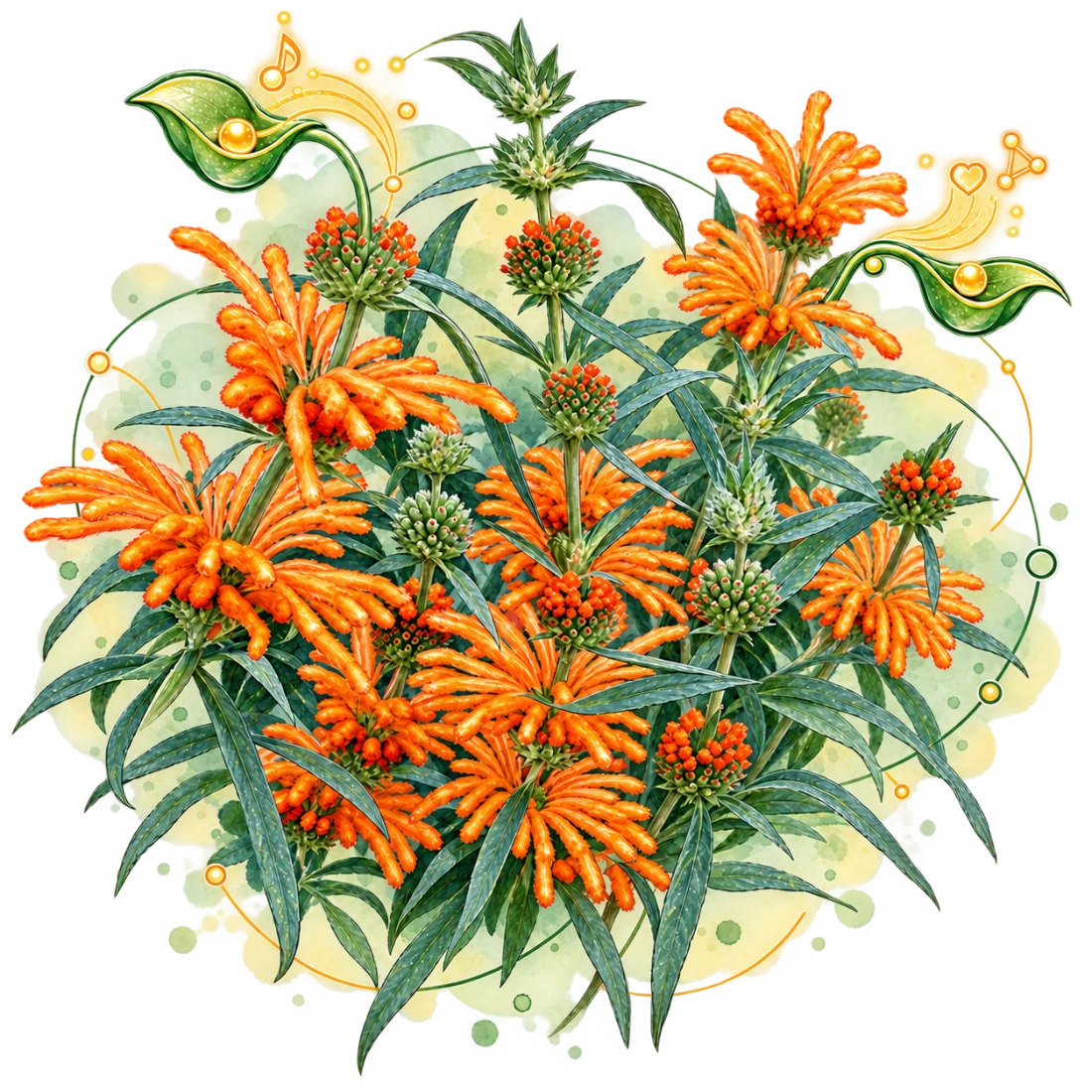
First of all, what exactly is Wild Dagga? Wild Dagga falls under the unique category of plant species that produce mind-altering effects. The plant is officially called: Leonotis Leonurus, and is also known as Wild Cannabis. It is a plant that is super graceful and is often planted in the garden for this reason. In many countries, despite the psychoactive effect, this is completely legal.
The Leonotis Leonurus is bright, colourful, and related to the mint family. The flowers of the plant are extremely resinous and rich in nectar, which makes the plant attract many wild animals. The shrubs remain mostly green and develop lance-shaped leaves up to about 12 cm long. The flowers turn bright red/orange and grow at the top of the plant. Due to its shape and impressive color, the plant attracts many animals, including honey suckers and butterflies.
The Wild Dagga mainly grows in the south and east of Africa. The indigenous tribes of this country were the first to come into contact with the wild cannabis plant thousands of years ago. They discovered the medicinal properties of the plant at the time, and since then it has been used for insect and snake bites, and to relieve headaches and fever.
Relaxation
Enhances mood
Balances emotions
Mild antidepressant
Reduses stress
Lowers Blood Pressure
Can treat headaches and migraines
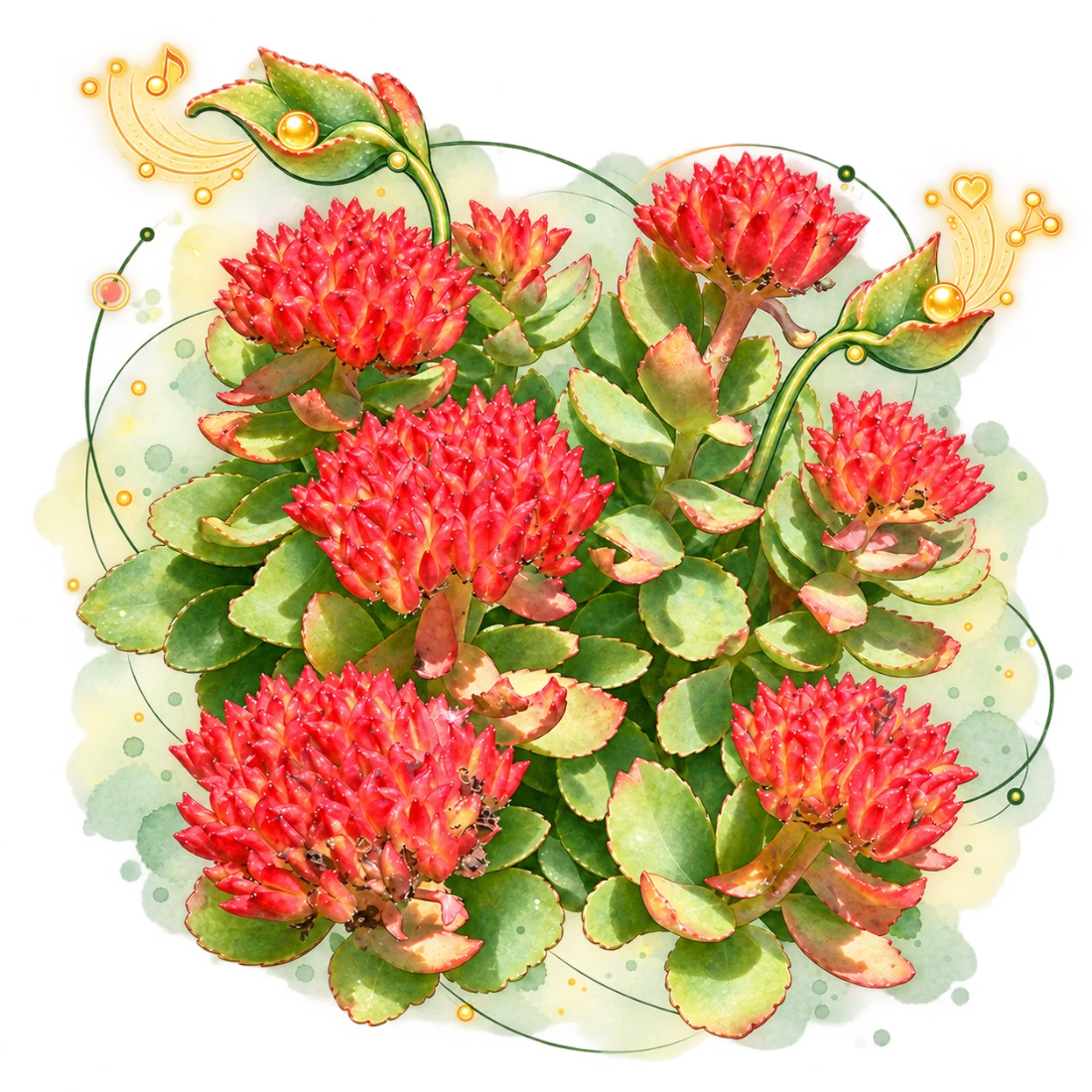
Rhodiola (Golden Root)
Rhodiola, also known as Golden Root, is a powerful adaptogenic herb that has been used for centuries in traditional medicine to improve physical and mental performance. This herb has a range of beneficial properties that can support overall health and well-being. One of the key benefits of Rhodiola is its ability to combat stress and reduce fatigue. It can help regulate the body’s stress response and increase the production of energy, making it a great choice for people who are feeling run-down or overwhelmed. Rhodiola is also known to have a positive effect on cognitive function and mood. It can help improve concentration, memory, and mental clarity, as well as promote a sense of calm and relaxation. This makes it a popular choice for people looking to improve their focus and productivity.
Adaptogenic
Anti-stress
Energizing
Cognitive-enhancing
Anti-inflammatory
Antioxidant
Can support vision and eye health
Neuroprotective
Anti-fatigue
Immune-boosting
Sagan Dailya (White Wing)
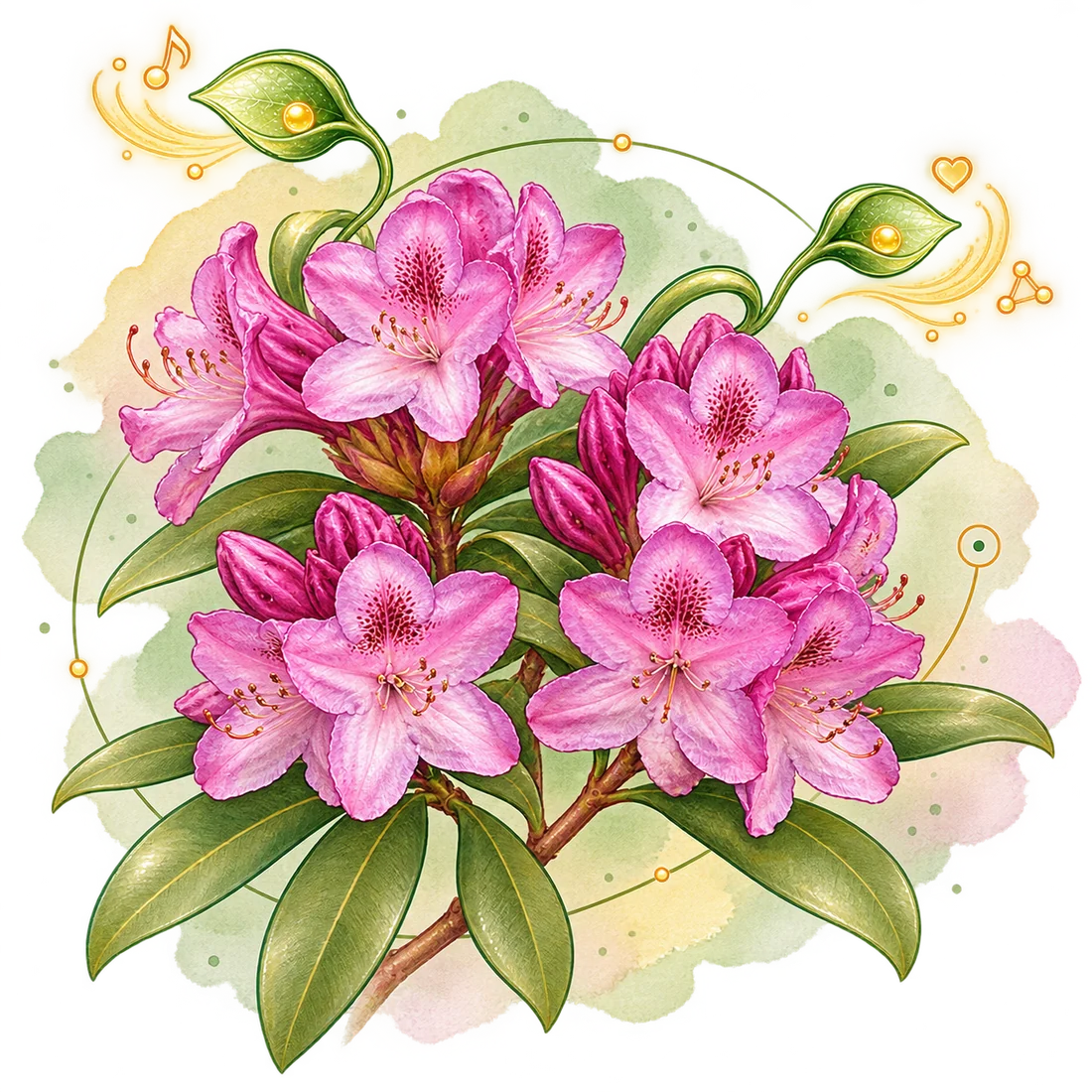
Saigan Dayla, also known as Rhododendron adamsii, is a stunning evergreen plant of the heather family, found growing in mountainous regions of North America and Northern Asia. Its leaves have long been used to make a tonic beverage and in traditional medicine for treating illnesses such as flu, cough, bronchitis, and other respiratory conditions. They contain antioxidants and phytochemicals, which protect the body against harmful free radicals and toxins. It is considered one of the key plants in the mystical traditions of North American peoples, with its leaves and flowers being used in shamanic practice for gaining spiritual knowledge, expanding consciousness, and connecting with the subtle realm.
Antioxidant
Enhances mood
Anti-inflammatory
Tonic & Energizing
Can treat headaches and migraines
Increases energy
Improves circulation and heart health
Celastrus Paniculatus
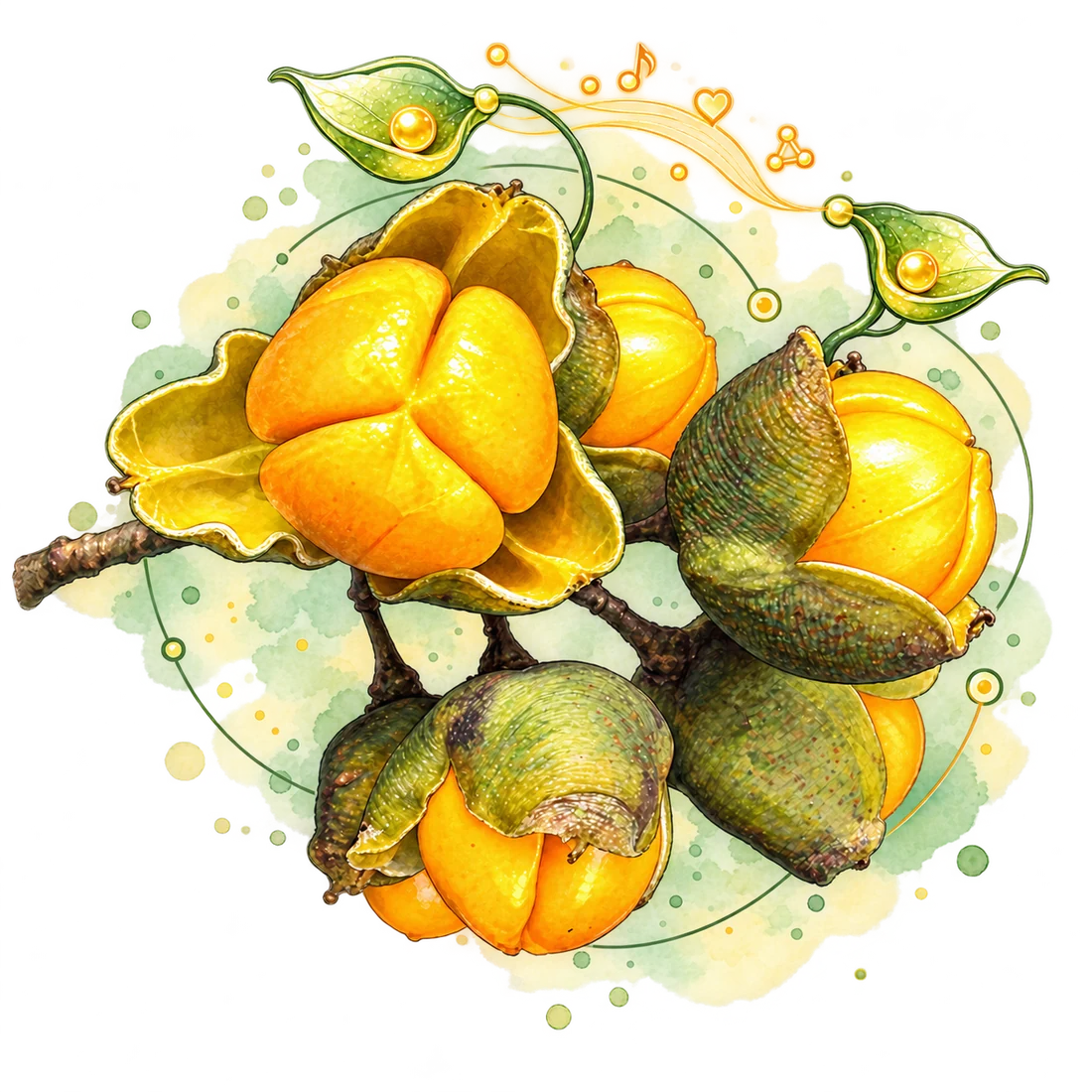
Celastrus seeds, also known as the “intellect tree,” have been traditionally used in Ayurvedic medicine to enhance cognitive function and support overall well-being. These seeds contain a variety of beneficial compounds, including flavonoids and alkaloids, that have been shown to have antioxidant and anti-inflammatory properties.
One of the key benefits of Celastrus seeds is their ability to improve brain function. They have been shown to enhance memory, focus, and concentration, making them a popular supplement for students and professionals alike. Additionally, Celastrus seeds may help to protect the brain from oxidative damage and age-related cognitive decline.
In addition to their cognitive benefits, Celastrus seeds also have a range of other health-promoting properties. They may help to regulate blood sugar levels, lower cholesterol, and improve cardiovascular health. Some studies have also suggested that Celastrus seeds may have anti-cancer properties, although more research is needed in this area.
Antioxidant
Anti-inflammatory
Cognitive-enhancing
Memory-boosting
Focus-improving
Cardiovascular-supporting
Cholesterol-lowering
Blood sugar-regulating
Anti-cancer (potential)
Black Cardamom
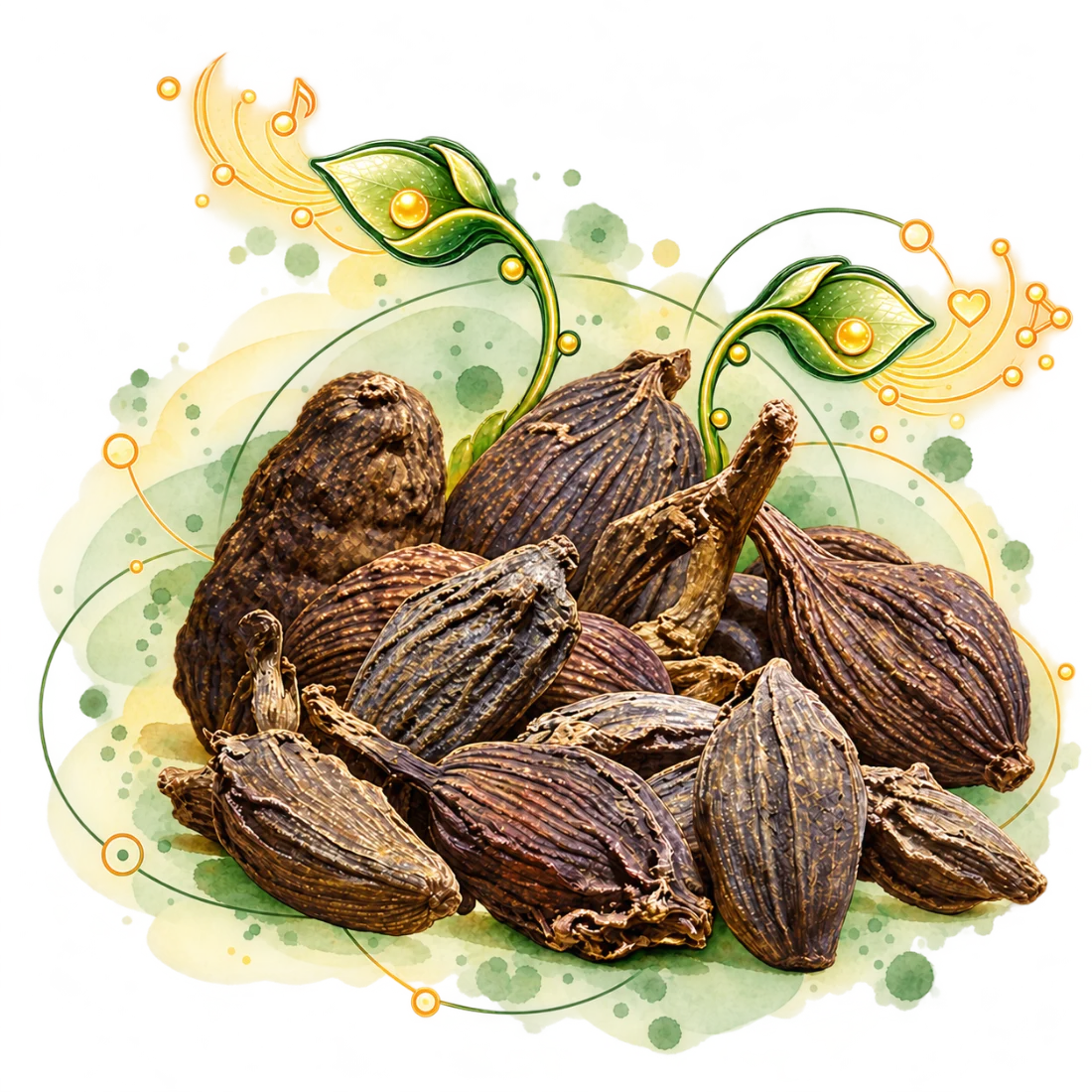
Cardamom is a spice that has been used for centuries in culinary and medicinal practices. It has various health benefits, including promoting digestive health by aiding in the breakdown of food, reducing inflammation throughout the body, and protecting against cognitive decline. Additionally, cardamom has antimicrobial properties that help fight bacterial infections, can lower blood pressure, and reduce the risk of certain types of cancer. Studies have shown that cardamom may help increase serotonin levels in the brain, which can lead to improved mood and reduced symptoms of depression and anxiety. It is a versatile spice that can be used in cooking or taken as a supplement, making it a valuable addition to any wellness routine.
Digestive health
Anti-inflammatory
Antimicrobial
Lower blood pressure
Reduced cancer risk
Neuroprotective
Antidepressant
Improved mood
Reduced anxiety
Improved cognitive function
Vanilla
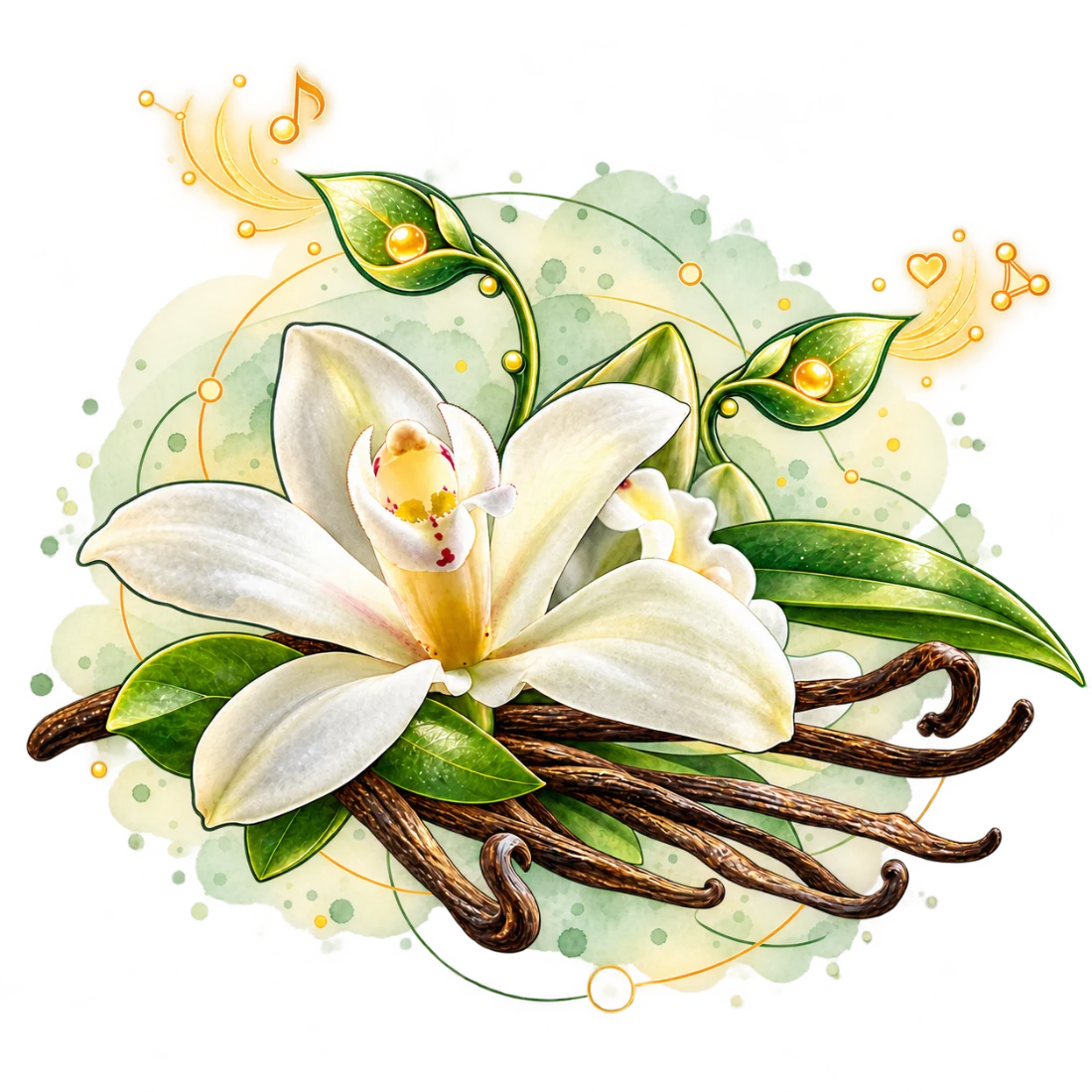
Vanilla is a spice that offers numerous health benefits for the body and mind. It contains antioxidants that neutralize harmful free radicals, reducing the risk of chronic diseases. Its anti-inflammatory properties help reduce inflammation and related health issues. Vanilla has a calming effect on the brain, reducing anxiety and stress levels. It contains B-vitamins and minerals important for overall health. The scent of vanilla has been found to increase serotonin levels, which can help improve mood and reduce symptoms of these conditions.
Antioxidant
Anti-inflammatory
Cognitive-enhancing
Calming
Mood-regulating
Nutritious
Digestive aid
Memory-enhancing
Serotonin Boosting
St John's Wort (Hypericum perforatum)
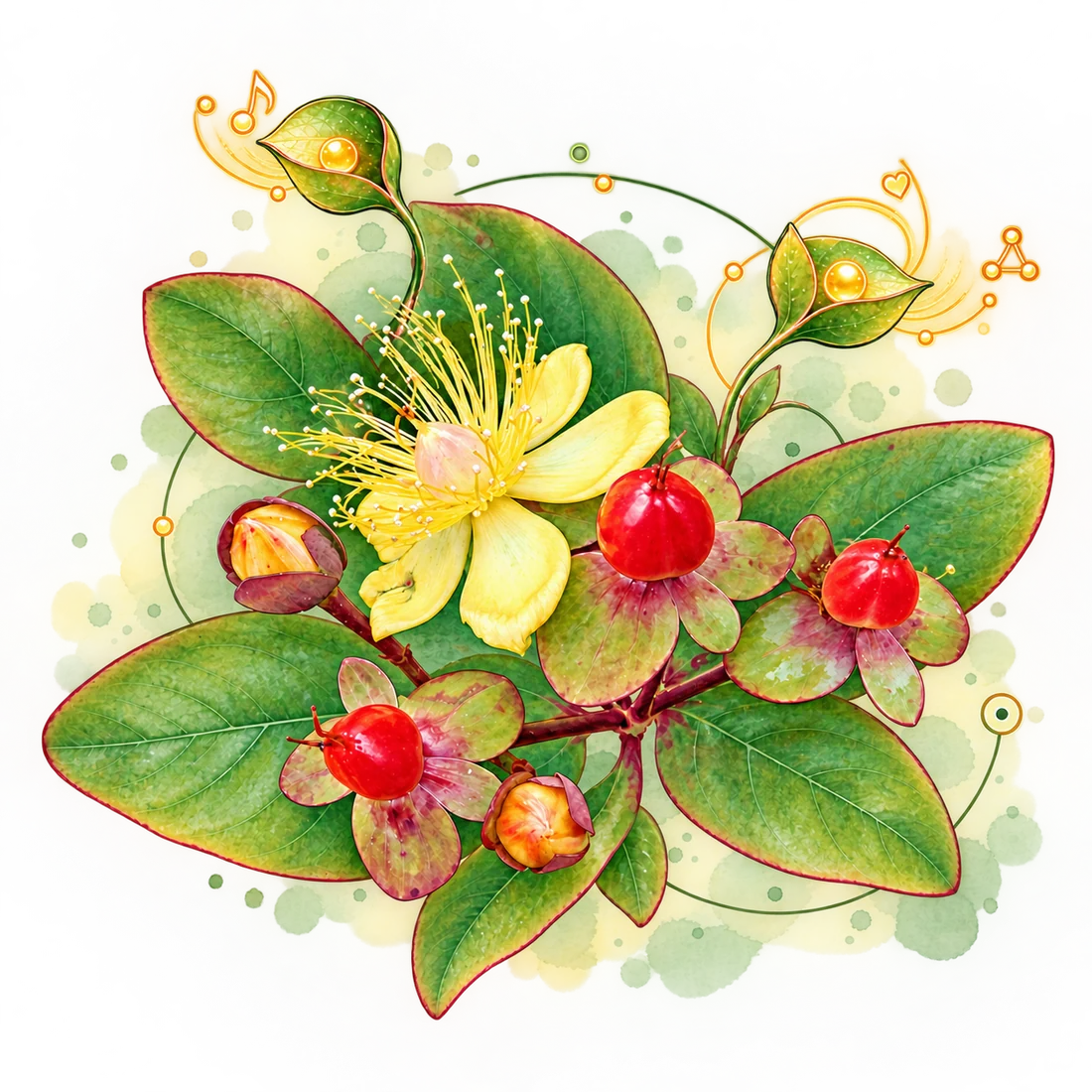
St John's Wort is a plant with bright yellow flowers and a long history of use to support mood and in times of nervous exhaustion. Today it is one of the most studied plants in research on depressive states: certain standardised extracts have been shown to reduce symptoms of mild to moderate depression, with effects building gradually over several weeks. The flowering tops contain hypericins, hyperforin and flavonoids; researchers study the extract as a whole rather than reducing its effect to a single “happiness hormone”. In European herbal tradition, St John's Wort is also used for temporary mental exhaustion, nervous restlessness, related difficulty falling asleep and mild digestive discomfort. These uses rest on different levels of evidence, and results depend on the specific preparation and how it is made.
Mood support
Mental exhaustion
Nervous restlessness
Falling asleep
Digestive comfort
Plant flavonoids
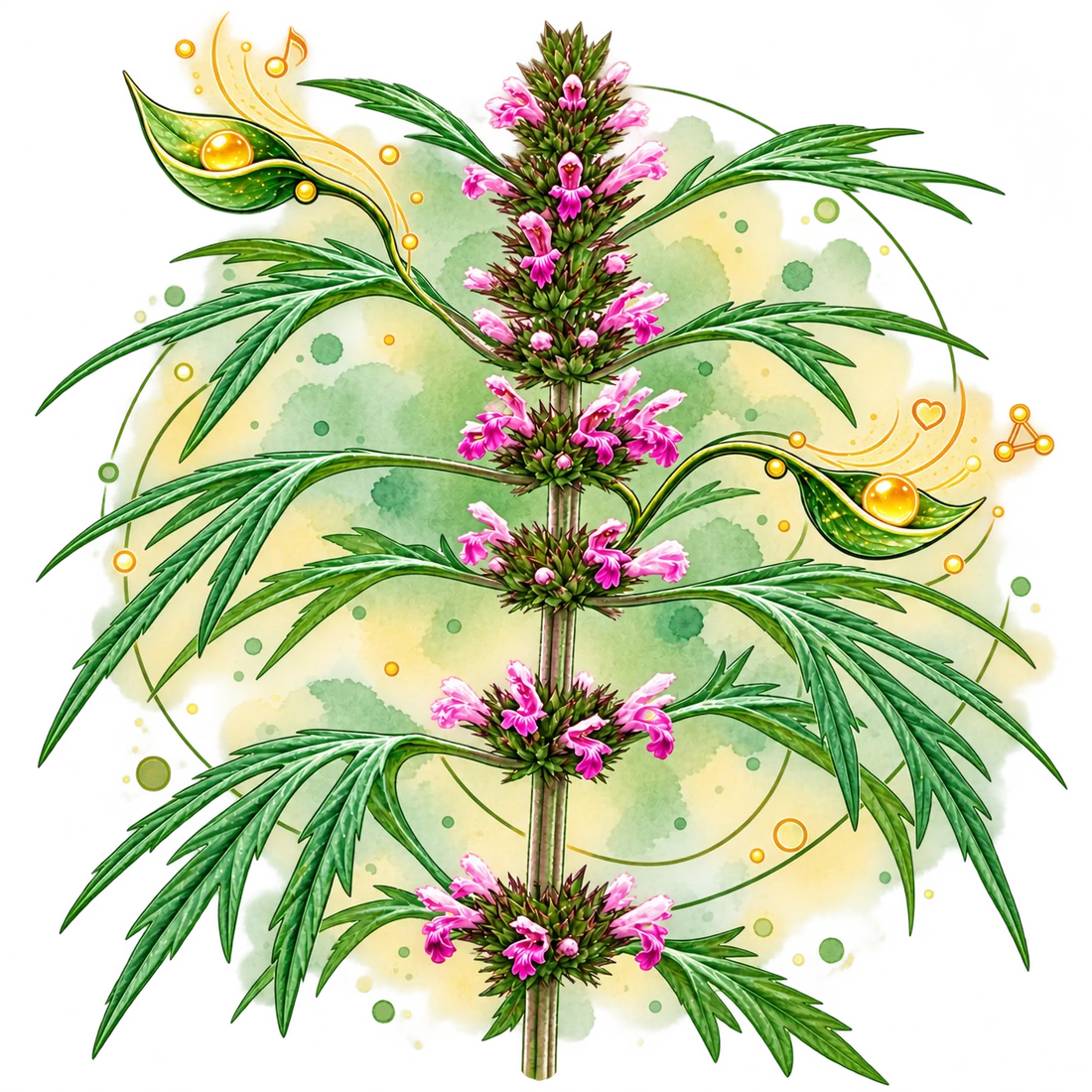
Motherwort (Leonurus cardiaca)
Motherwort is a plant of the mint family that European herbalists have long associated with calm in times of nervous tension. Its Latin name, Leonurus cardiaca, reflects a tradition of use for heart complaints that come with worry, above all noticeable palpitations. The European Medicines Agency recognises this traditional use once a doctor has ruled out serious causes of the symptoms. Modern research is still limited: a small study of an oil extract noted changes in anxiety and sleep, but the lack of a control group limits the conclusions. The aerial parts of motherwort contain polyphenols, and its extracts show antioxidant activity in laboratory tests. Its profile is best described through its traditional calming use and its researched potential to support emotional wellbeing, keeping a clear line between a history of use and proven clinical efficacy.
Nervous tension
Nervous palpitations
Calming potential
Sleep: early research
Plant polyphenols
Antioxidant potential
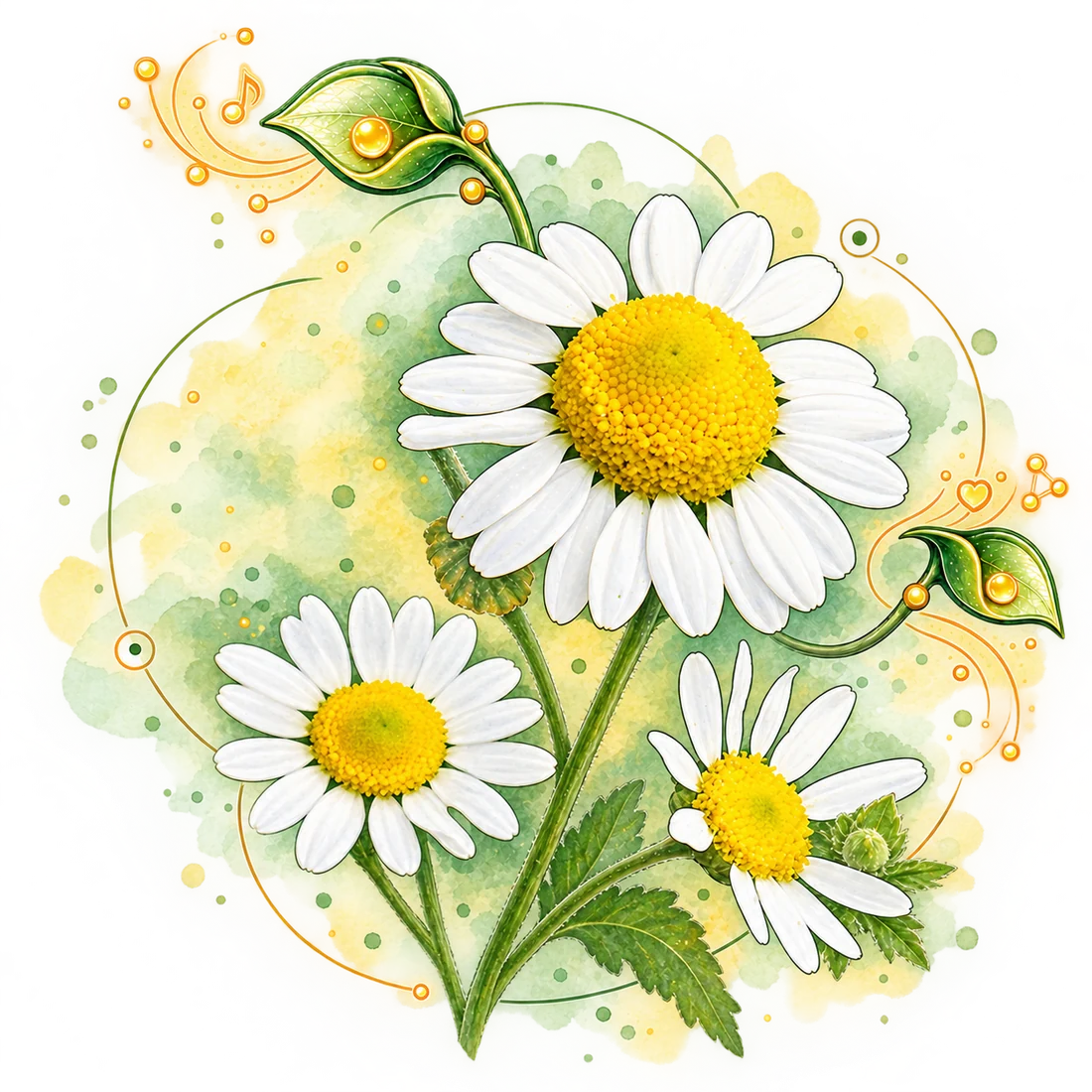
Chamomile (Matricaria recutita)
Chamomile is a familiar plant with a gentle scent and a centuries-old tradition of use for digestive comfort and restful relaxation. Its flower heads contain flavonoids, including apigenin derivatives, which have drawn the attention of researchers studying the nervous system. In small randomised studies, certain chamomile extracts reduced symptoms of generalised anxiety, although these results still need further confirmation. Chamomile's link to sleep is less well studied: a separate study in chronic insomnia found no convincing benefit on the main sleep measures. In European herbal medicine it is traditionally used for mild digestive complaints, including bloating and minor cramps. In this way chamomile brings together the familiar ritual of herbal tea with modern interest in its calming potential and its support for comfortable digestion.
Calming potential
Anxiety support
Digestive comfort
Bloating
Mild cramps
Apigenin flavonoids