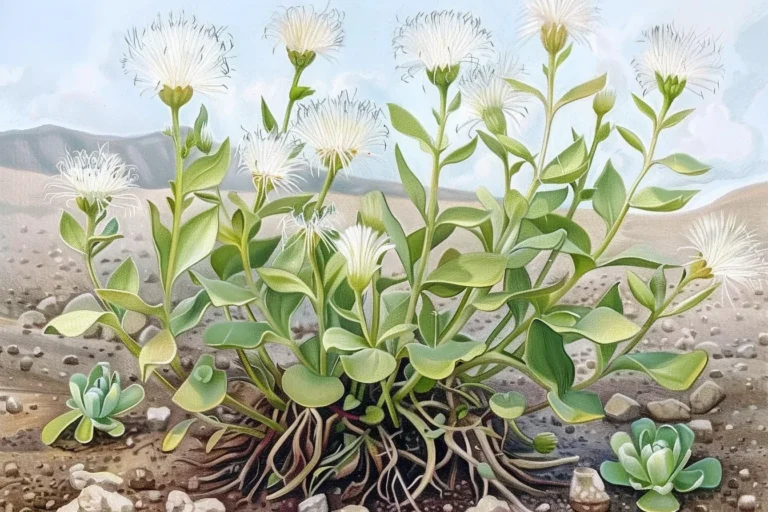
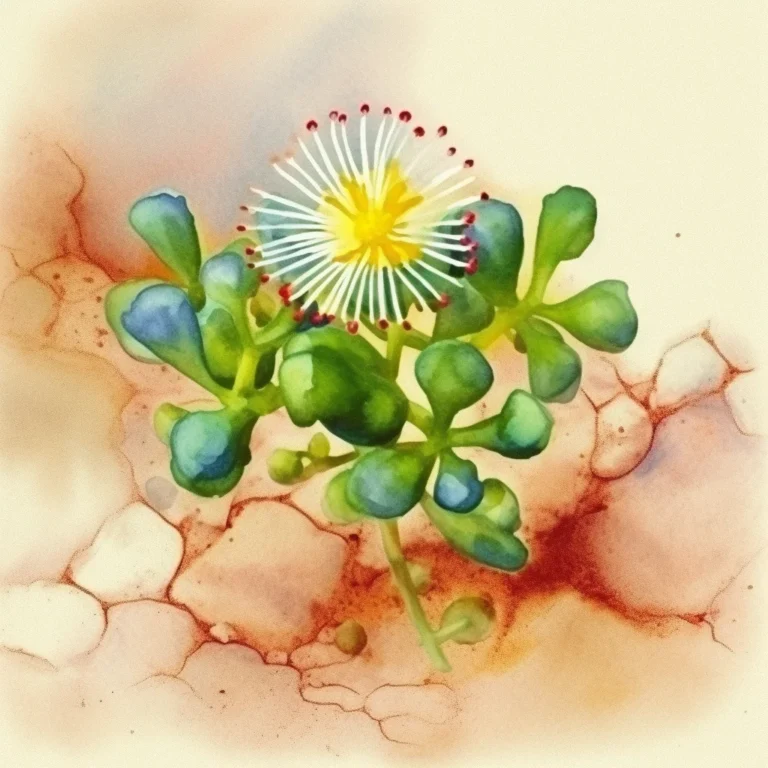
Kanna, scientifically known as Sceletium tortuosum, is a succulent plant native to South Africa. This plant has been used for centuries by indigenous peoples for its mood-enhancing properties. Modern research has begun to uncover the scientific basis for these traditional uses, making Kanna a subject of growing interest in the fields of psychology and psychiatry.
Depression is a common mental health condition that affects millions of people around the world. It is a complex disorder that can have a variety of causes, including genetics, life events, and brain chemistry. From a neuroscience perspective, depression is often associated with a lack of serotonin in the brain. Serotonin is a neurotransmitter that helps regulate mood, appetite, and sleep. When there is not enough serotonin in the brain, it can lead to symptoms of depression, such as persistent sadness, loss of interest in activities, changes in appetite or sleep patterns, and feelings of hopelessness or worthlessness.
To treat depression, there are several options available, including pharmaceutical antidepressants and natural supplements like Kanna (Sceletium Tortuosum). While both options can increase serotonin levels in the brain, there are some important differences between them.

 English
 Russian
 Estonian